
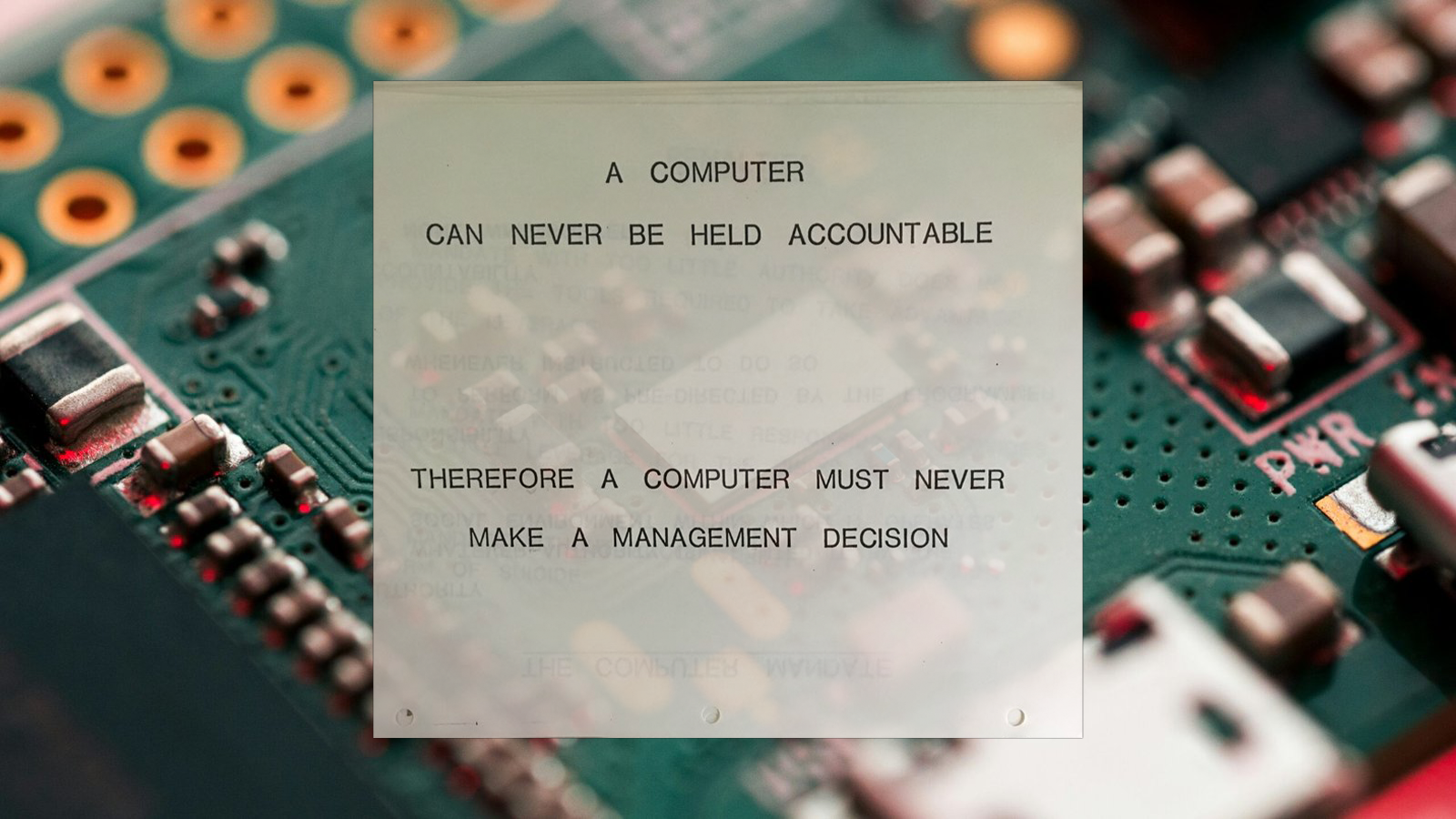
“A computer can never be held accountable. Therefore a computer must never make a management decision.”
– 1979 IBM Training Manual
Table of Contents
1. AI Types Explained
2. How AI Isn’t Actually Smart
3. The Full Depth of Theft
4. The Complete Environmental Impact
5. The Negative Effects of AI in Media
6. AI and Politics/Surveillance
7. The Dangers of AI Psychosis
8. Ethical AI Alternatives To Use
9. Sources
Artificial Intelligence has been around for quite some time now but only recently has AI been used to replace creation. John McCarthy was a computer scientist at Stanford University and held the first AI conference in the United States back in 1955. McCarthy wanted to know if a computer could make the process of finding the solutions to problems scientists wanted to solve easier. He discovered they could due to it being able to scan and analyze data faster than a human can[1]. These AI models were trained scientific research papers with specific goal in mind. Today a similar model, Clinical Histopathology Imaging Evaluation Foundation (CHIEF), is being trained to detect cancer cells before they have even developed. In order to do so, it takes time and lots of it. Why? Because it has to be tested and trained and tested and trained again for it to even start to become useful in the job it was created for.
Billionaires, however, are not patient and willing to poison and displace communities in order to do it as quickly as possible. The AI models billionaires push out are trained on content without the consent of the original creator and are open to the public so they can convince you to train their model for free- or even pay to train their model. Most of the time they are using your posts on social media to train their model without even telling you. But, what is the real difference of these two models anyways? Ethics, that’s the biggest difference.
AI Types Explained
There are four major differences between what I call Ethical AI and Unethical AI: how/where it’s hosted, how it learns/what it’s trained on (otherwise known as Machine Learning or ML), intent, and impact.
Ethical AI
how/where it’s hosted
Usually small servers that do not take up land, not available to just anyone, and usually has the same demands of a high-end PC.
how it learns/what it’s trained on
Trained on specific information with consent when applicable. Scientific papers or a language, for example.
intent
Resolve or assist with an issue for the greater good. For example, a voice to text AI model I’ve seen my doctor use for taking notes.
impact
Potentially true accessibility to complete tasks with your needs in mind (aka equity) and preventive healthcare could one day include cancer, among who knows what else. The only downside of ethical AI is it takes time before it can be useful.
Unethical AI
how/where it’s hosted
Large data servers that take up land, available to anyone with internet access, and has a large demand of resources.
how it learns/what it’s trained on
Trained on media without permission, continues to “learn” from whatever anyone is willing to feed it.
intent
Profit, confuse, control, replace.
impact
A quick “reward” and “potential”.
Plagiarized media used for political misinformation or a “yes” machine that will quite literally encourage you to kill yourself. What do I mean by potential? I mean every single company you know of is adding AI to their business because they think it will make them money in the future and in my opinion try to avoid paying people.
This video is long, however, it covers a rough summary of a few things covered below. It also includes an interview with a computer scientist working with Artificial Intelligence.
I’m doing by best at trying to write this but I keep finding more sources and the list of things to cover keeps getting longer. I WILL FINISH THIS THOUGH. In the meantime I will be collecting sources.
How AI Isn’t Actually Smart
To be continued…
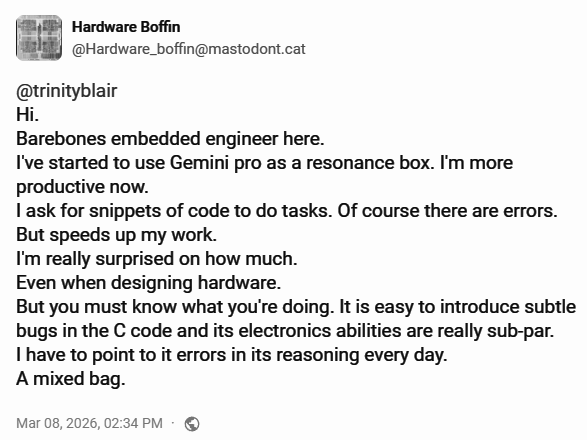
The Full Depth of Theft
To be continued…
The Complete Environmental Impact
To be continued…
The Negative Effects of AI in Media
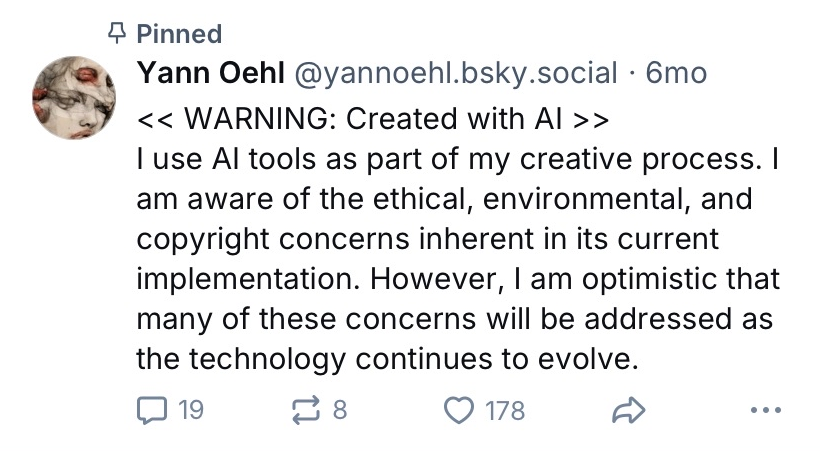
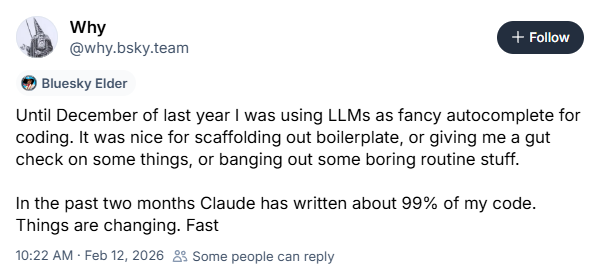
To be continued…
AI and Politics/Surveillance
To be continued…
The Dangers of AI Psychosis
To be continued…
Ethical AI Alternatives To Use
To be continued…
Unlinked Sources I Plan to Use
- “‘AI Is African Intelligence’: The Workers Who Train AI Are Fighting Back“, Jason Koebler.
- “AI: The New Aesthetics of Fascism“, Gareth Watkins.
- “America’s Digital Demand Threatens Black Communities with More Pollution“, Adam Mahoney.
- “Artificial intelligence: How much energy does AI use?“, United Nations.
- “Can AI Cause Psychosis?“, Matthew Hastings.
- “Glenn Beck Posts Utterly Bizarre Sit-Down Interview With George Washington AI Bot“, Ahmad Austin Jr.
- “Google Strives To Keep Data Center Water Use Secret“, Henri Gendreau.
- “Explained: Generative AI’s environmental impact“, Adam Zewe.
- “I’m Not Convinced Ethical Generative AI Currently Exists“, Reece Rogers.
- “Investigations Warn of Psychosis-Like Behavior in Chatbots“, Psychiatrist.com.
- “New package of energy bills would impose moratorium on data centers built on Mahomet Aquifer“, WCIA.
- “Parents say ChatGPT encouraged son to kill himself“, CNN.
- “The alleged theft at the heart of ChatGPT“, npr.
- “The Emerging Problem of ‘AI Psychosis’“, Marlynn Wei MD JD.
- “The Emotional Labor Behind AI Intimacy“, Michael Geoffrey Asia.
- “The Hidden Costs of AI“, Meghan Jachna.
- “The surprising reason why women are using AI less often than men“, Josie Cox.
- “The ugly truth behind ChatGPT: AI is guzzling resources at planet-eating rates“, Mariana Mazzucato.
- “‘Wait, not like that’: Free and open access in the age of generative AI“, Molly White.
Leave a Reply